


Heritage Week 2008



Helper: Brief Background
Press Releases
Photo Gallery
River Parkway in Fall Colors
Rio Grande Snowplow
Helper Overview
Old Railroad Tracks
Coal Mining Equipment
Helper Christmas Festival
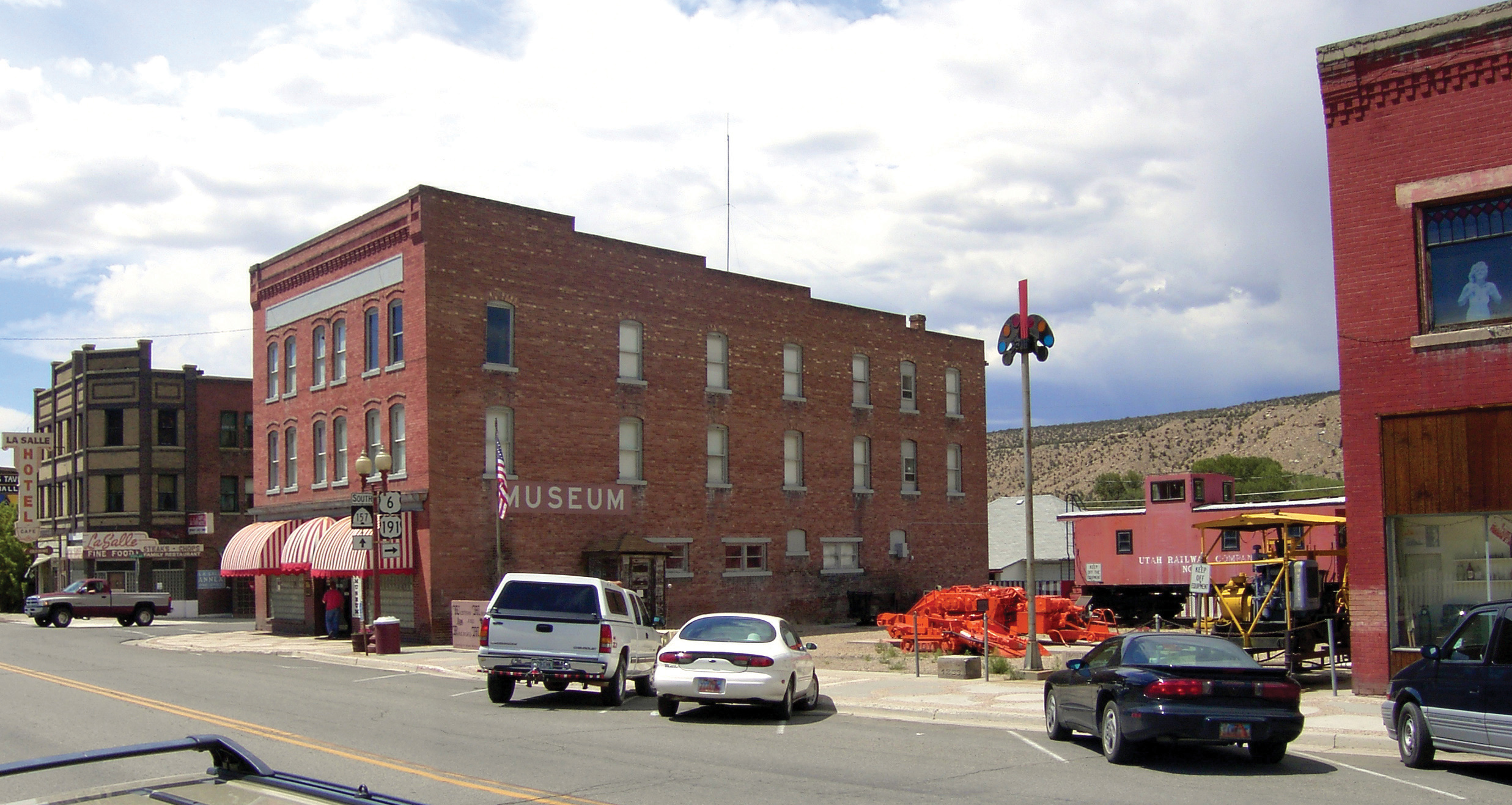
Western Mining & Railroad Museum
Helper's Arch
Helper Main St. c.1920
Helper Stats





Pop Ups on our web site? Nope. None. Nada. Zilch...
Note: Some current Blocker programs
are so overzealous that they mistake the above navigational bar's coding
as a pop up. All the above coding does is change the color of each
navigational block and add in an arrow -- this is called a "rollover"
NOT a "pop up". There is no additional coding and there are no
additional ads. This problem does not happen on a Macintosh, nor in Firefox
(either platform). However, MicroSoft is aware of the problem and claims
that it'll be fixed in their next update. So surf our site with the peace
of mind that the webmaster doesn't give a flying f*^%& what's on your
computer or wants to throw in advertising for some lotion, potion or adult
toy! |

|
|
| Use of images... we're sorry that it's come to
this... |
As
pertains to images / slides photographed by Darrin Teply, Darrin Teply (owner)
claims copyright worldwide and any other right(s) allowed or reserved unto
the photographer/owner by federal, state and/or local laws in and to the
image appearing within or upon this page. Darrin Teply retains full ownership
rights following its sale, resale, or limited transfer to any other party
or entity.
Owner
grants the User of the image(s) appearing on this page use subject to certain
conditions hereinafter provided.
The
aforementioned restricted, non-exclusive license is subject to the requirement
that upon the publication or duplication of the image by any possessor or
licensee of the image / slide, or copy thereof, made or created by any means,
such possessor or licensee shall take all reasonable steps to assure that
the photographer of said image, or copy thereof, is identified as "Darrin
Teply". A phrase commonly used for this purpose is "©
(year if able) Darrin Teply; destinationhelper.com ," minimal
credit should be "photo by Darrin Teply". Also that a minimum
of three copies of the image-in-publication's use be given to Darrin Teply.
Owner
makes no representation as to transfer of copyright status of the image...
in no way whatsoever is ownership and unlimited use transfered to the User,
but it is noted that a copyright exists solely by operation of law and that
therefore the User is advised to contact the named photographer of the image
prior to copying or re-copying or publication or making other use of said
image.
The
attached low resolution images on this page (Photo Gallery specifically,
but not limited to) are provided solely and only for the purpose of viewing
by a potential User to facilitate the sale or use of the image itself and
no license or consent to copy or use the image for any purpose whatsoever
is granted or implied to any person or entity. Upon agreement of use, purpose,
duration and entity, Darrin Teply will issue a signed letter allowing/stating
mutually agreed image use.
Illegal
use/copyright violations of images will result in a minimum $5,000 fine,
amount increasing upon additional harassment towards Darrin Teply and all
his associated businesses and court times/fees. Photo use in selling advertising,
as well as sending kid photographers/cops in to say that they exactly duplicated
every bit of gravel, weed, lighting and angle in my photos a decade ago
falls into the category of "beyond belief." And I consider beyond
offensive the selling of copies of my photos to bereaved families at funerals.
NOTE:
Darrin Teply does NOT recognize Helper City Government's false claims on
his photos of Helper, Utah based upon threats of "their ownership of
all things Helper", nor the transfers that followed. As of February
2012 Helper City Government/Police were indefinitely denied ALL use. The
Helper Hub Business Alliance were indefinitely denied ALL use June 2013.
Local communications company, Carbon/Emery Telcom was told to cease and
desist illegal use Summer 2014... so far only 1 out of three have complied...
as of February 2015 they are still indefinitely denied ALL use.
The
Carbon County Chamber of Commerce has had correct usage of my images for
many years and may continue so.
Fellow
photographers, if you see illegal use of these photos, please notify me.
Thanks. |
| Helper: Photo Gallery... |
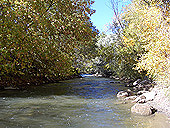
Cutline: Helper's Price
River Parkway provides a pleasant natural experience in the heart of Helper's
downtown.
Photo: Copyright 2003. Darrin Teply. |
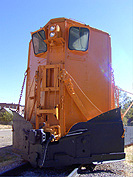
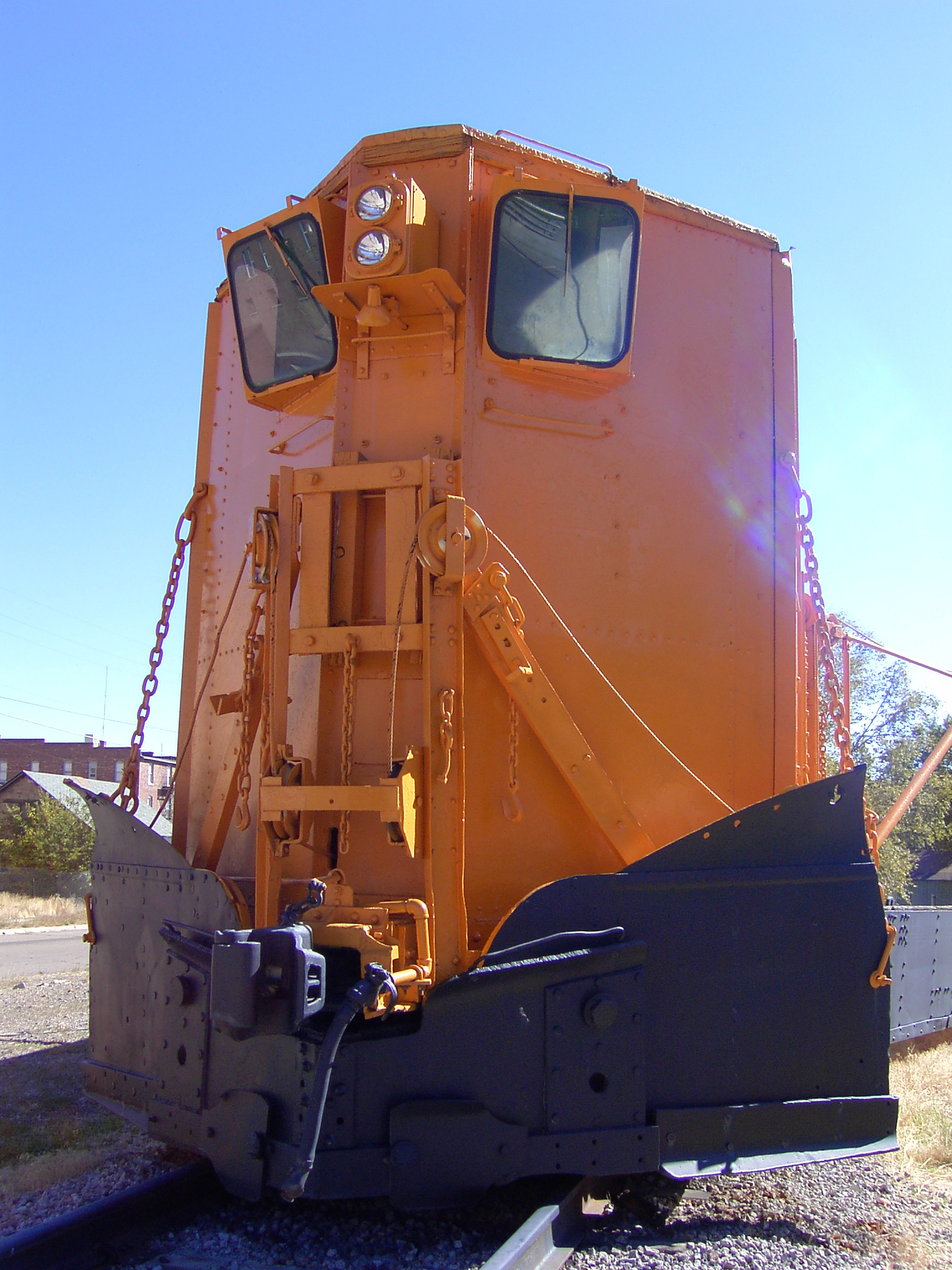
Cutline: Denver &
Rio Grande Western Spreader that was used to clear snow from the high mountain
passes near Helper. Now on display at the Western Mining & Railroad
Museum.
Photo: Copyright 2003. Darrin Teply. |
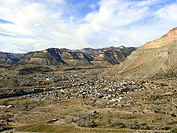
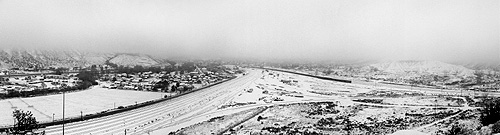
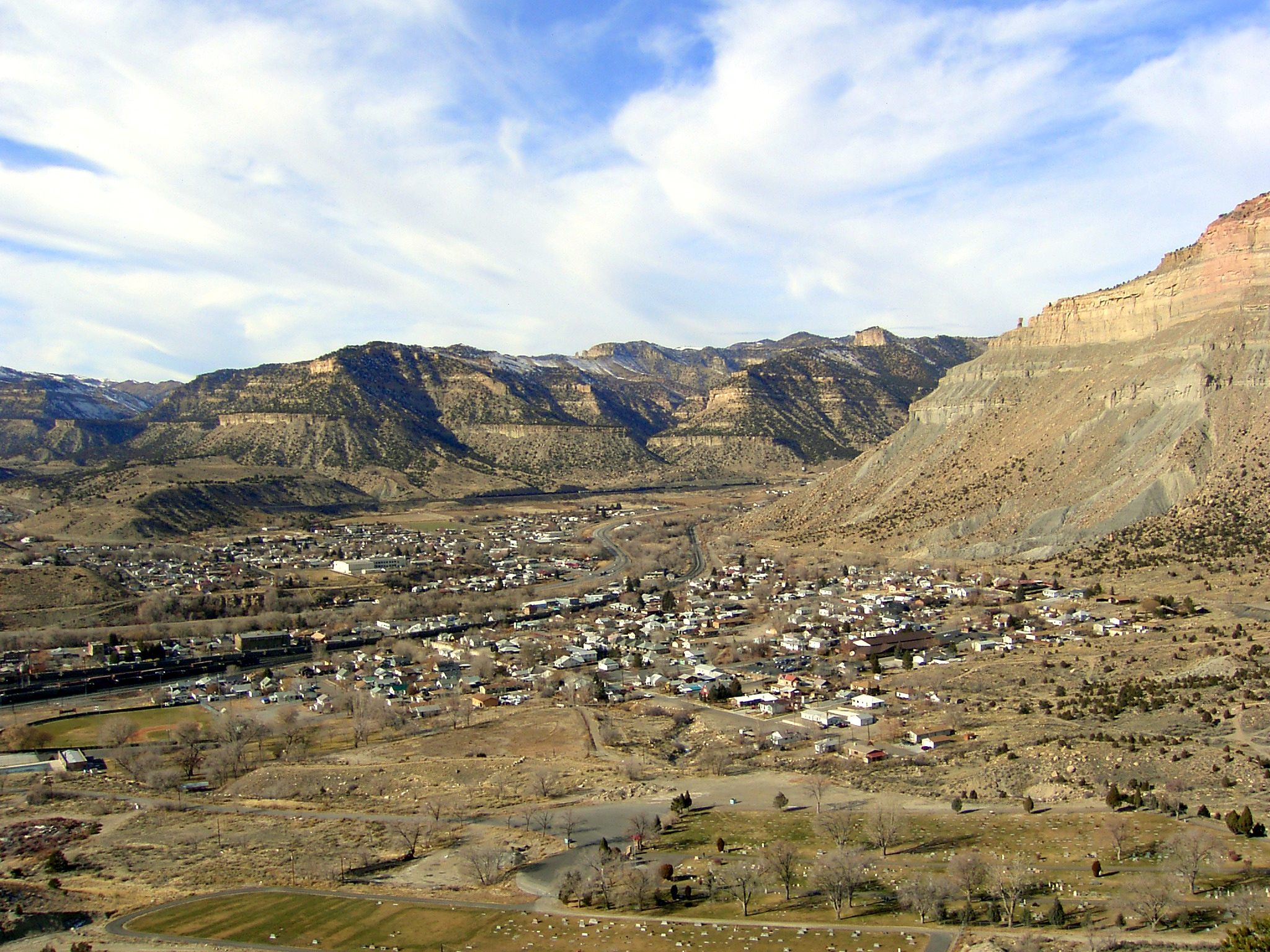
Cutline: Overview of
Helper City, in the heart of Eastern Utah's Coal Industry.
Photo: Copyright 2003. Darrin Teply. |
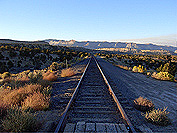
Cutline: Helper grew
up as the hub of Carbon County. Its railroad center connecting scores of
mining camps in the surrounding hill. Today, most of these towns house only
ghosts.
Photo: Copyright 2003. Darrin Teply. |
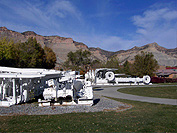
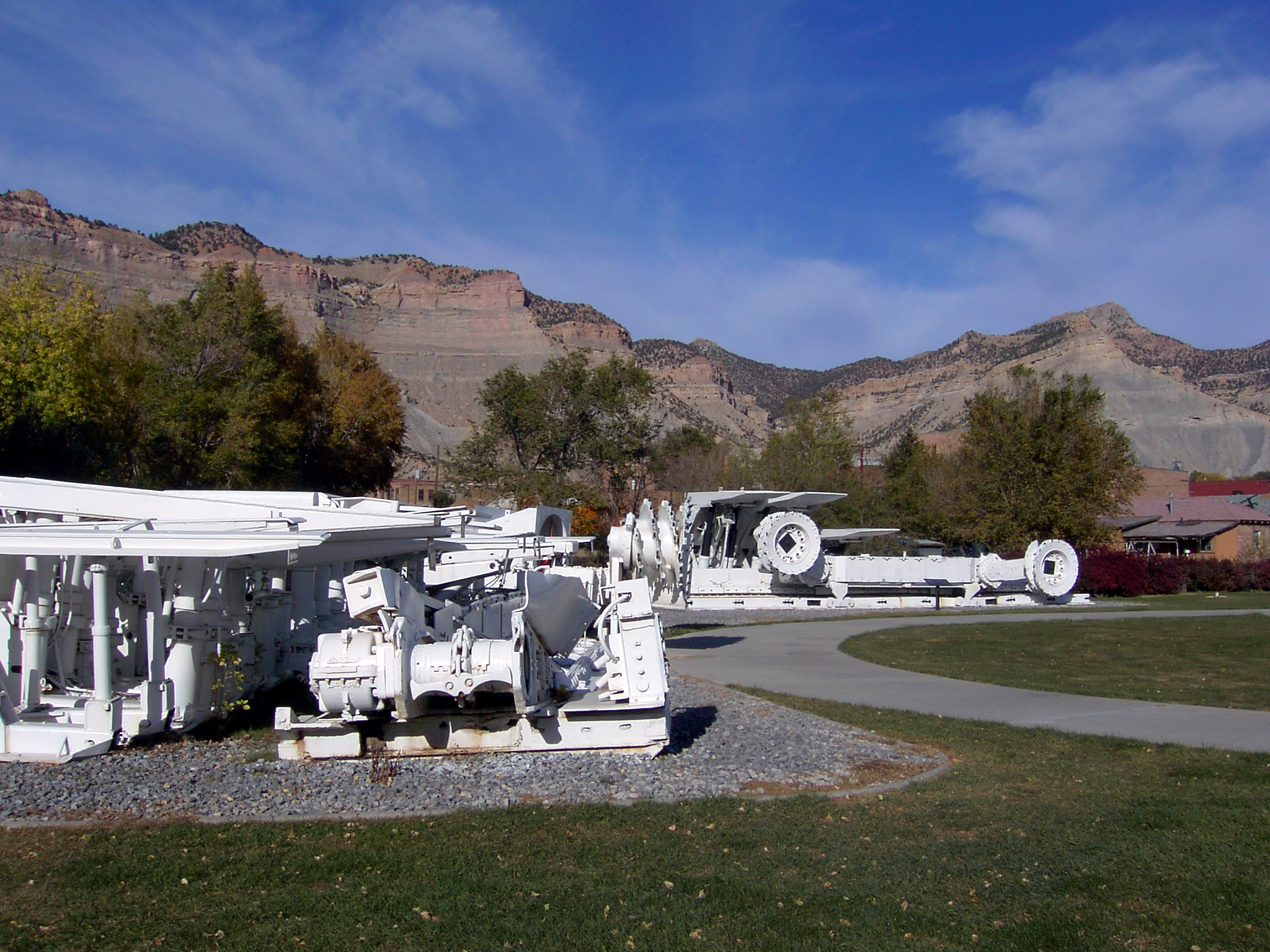
Cutline: The early days
of Carbon County's coal mining history live on at the Western Mining &
Railroad Museum.
Photo: Copyright 2003. Darrin Teply. |
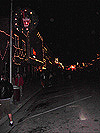
Cutline: People enjoy
the holiday atmosphere in downtown Helper after the Electric Light Parade,
part of the Helper: Utah's Christmas Town Festival.
Photo: Copyright 2003. Darrin Teply. |
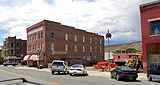
Cutline: The Mining &
Railroad Museum holds four floors of eastern Utah's history of railroads,
mines, outlaws, brothels and more.
Photo: Copyright 2003. Darrin
Teply. |
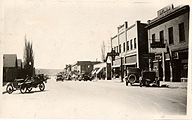
Cutline: A view of Helper's
Main Street around 1920. Helper was the center of business activity for
the surrounding coal camps. These historic buildings still house businesses
today.
Photo: Courtesy of Eastern
Utah Tourism & History Association , eutha.org |
| Helper Stats... |
How'd We Get That Name?
Founded
in 1881, Helper was named for the "helper" locomotives that were
placed on the heavy coal trains to help them get over the steep mountain
grades.
Location, Location, Location
Helper
is located in Eastern Utah's Castle Country. Helper is ideally situated
in Utah's spectacular high desert region. It is surrounded by the Bookcliff
Mountains to the North and East and the Wasatch Plateau to the West. It
is a scenic 2-hour drive from Salt Lake City and 2.5 hours from Grand Junction,
Colorado.
|
How Many People Live Here?
Helper
City
Price
City
Wellington
City
East
Carbon City
Sunnyside
Scofield
Unincorporated
Total
Carbon County |
(2002 US Census Figures Carbon County)
1,923
8,330
1,596
1,323
389
26
6,116
19,703 |
What's The Weather Like?
At
5,600 feet, Helper enjoys four distinct seasons.
Summers
are hot and dry with daytime temperatures reaching the mid 90s and nighttime
temperatures in the 70s. In the fall, nighttime temperatures drop to near
freezing while daytime temperatures stay in the 60s and 70s.
Winter
often brings heavy snowfalls and daytime temperatures in the 30s and 40s
with nighttime temperatures in the teens and single digits. Spring is mild
with temperatures in the 50s, 60s and low 70s. Average precipitation is
14.5 inches. |
|